How to Navigate Manhattan Like a New Yorker
Manhattan can feel intimidating at first, but once you understand a few simple rules, the city suddenly makes a lot more sense. Here’s a quick guide to help you get oriented and move around Manhattan with confidence.

Woman in leather jacket, glasses and ear buds walks through Times Square. Photo by BullRun stock.adobe.com/
1. Manhattan Is (Mostly) a Grid
Most of Manhattan follows a grid system, which makes navigation surprisingly logical:
Streets run east–west and are numbered (an exception: the oldest areas furthest south).
Avenues run north–south and are mostly numbered, with a few names.
As street numbers increase, you’re heading north; as they decrease, you’re heading south. As avenues increase you’re heading west, as they decrease, you’re heading east.
When giving or hearing an address, New Yorkers usually say:
Street first, then avenue
Example: “42nd Street and 5th Avenue” (not the other way around).
Once you know where you are on the grid, it’s easy to estimate distance and direction just by looking at street numbers.
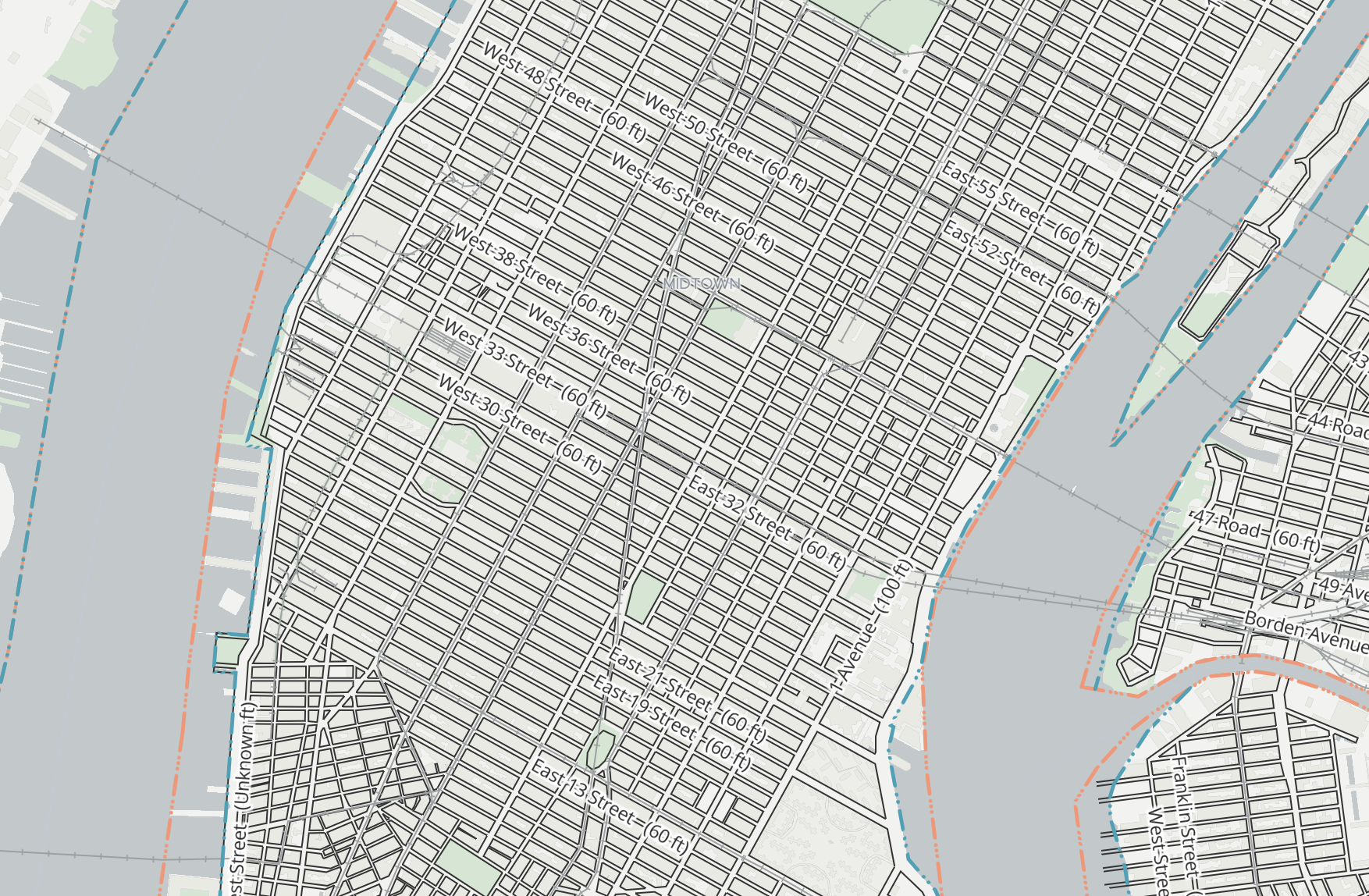
NYC Planning street map illustrating Manhattan’s grid system. Image by streets.planning.nyc.gov
2. Broadway Breaks the Grid
Most of Manhattan follows a tidy grid—but Broadway cuts diagonally across the island.
It intersects streets and avenues at unexpected angles.
Many famous squares (like Times Square and Herald Square) exist because Broadway crosses major avenues.
If directions suddenly feel off, Broadway is usually the reason.
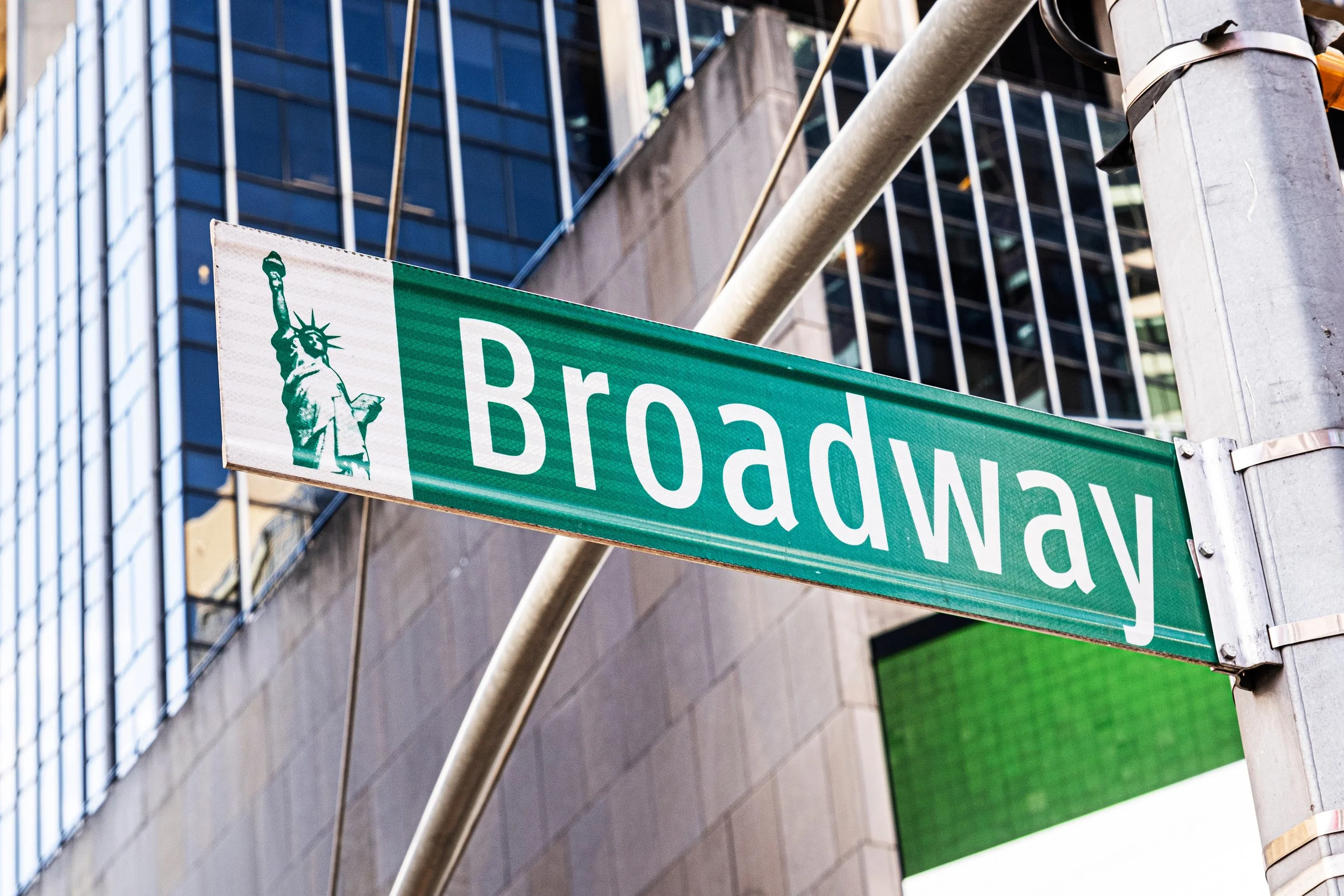
Street sign for Broadway. Photo by by Elisa stock.adobe.com/
3. East vs. West Addresses
Addresses east of Fifth Avenue are labeled E (East).
Addresses west of Fifth Avenue are labeled W (West).
This helps you quickly know which side of Manhattan you’re on—and which direction you should be walking.
4. Lower, Midtown, and Upper Manhattan
Manhattan is often divided into three main zones:
Lower Manhattan: Below about 14th Street (Financial District, SoHo, Chinatown)
Midtown: Roughly 14th Street to 59th Street (Times Square, Broadway, Grand Central)
Upper Manhattan: Above 59th Street (Central Park, Harlem, Upper East & West Sides)
These terms are used just as much as street numbers and neighborhood names.
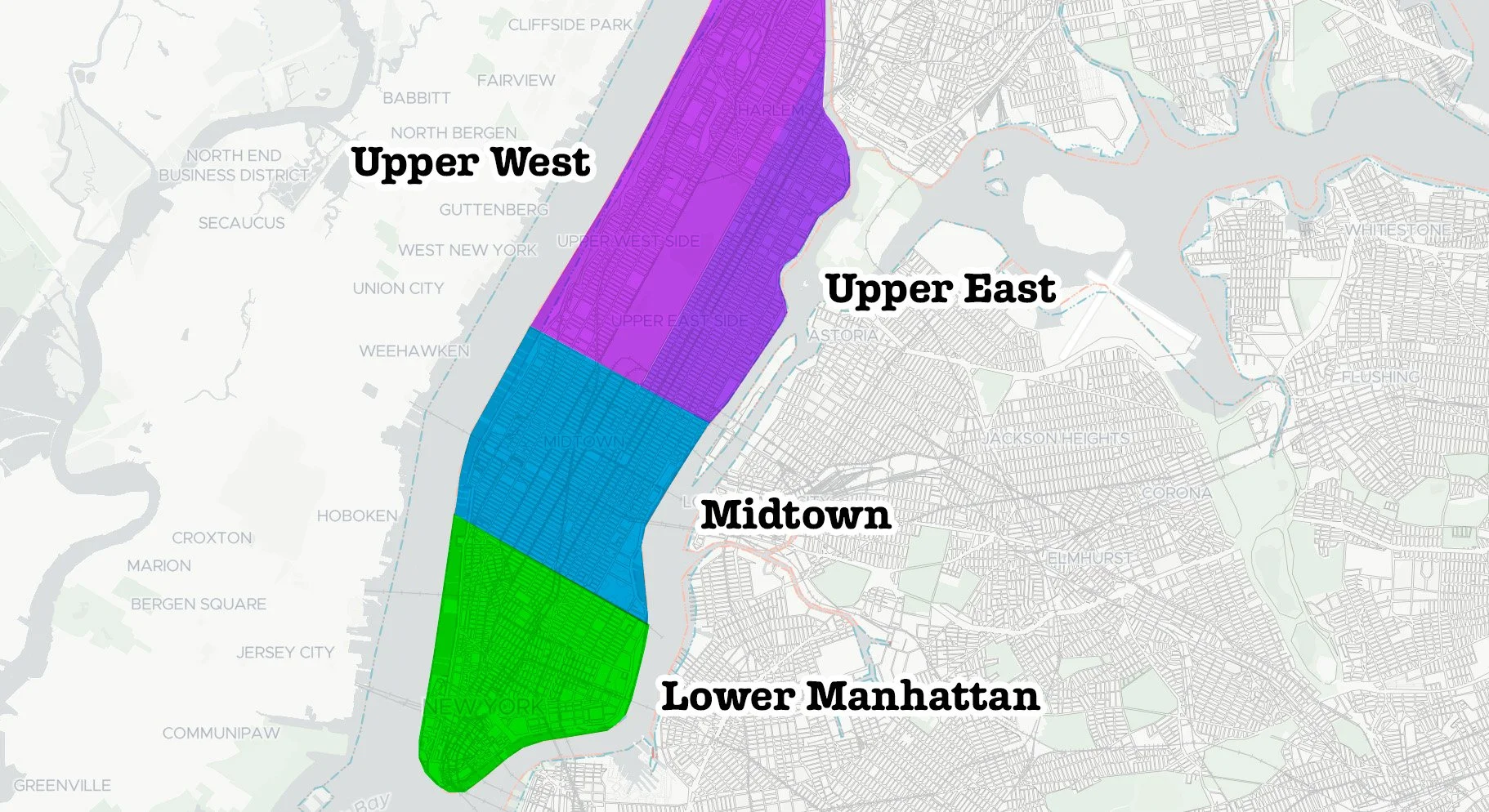
NYC Planning street map with overlays marking Lower Manhattan, Midtown, and Upper East and West sides. streets.planning.nyc.gov
5. Uptown vs. Downtown (and Crosstown)
Uptown means heading north (toward higher street numbers, like 59th → 110th).
Downtown means heading south (toward lower street numbers, like 42nd → 14th).
Crosstown means moving east or west across the island, usually on a street.
You’ll hear these terms constantly—from subway signs to directions on the street.
6. Reading Subway Signs Like a Pro
Subway entrances are labeled by direction, and platforms and trains also include final destination:
Uptown trains go north
Downtown trains go south
Helpful tips:
Look for the last stop listed on the sign, that tells you which way the train is heading.
Many stations have separate entrances for uptown and downtown, so check before swiping in.
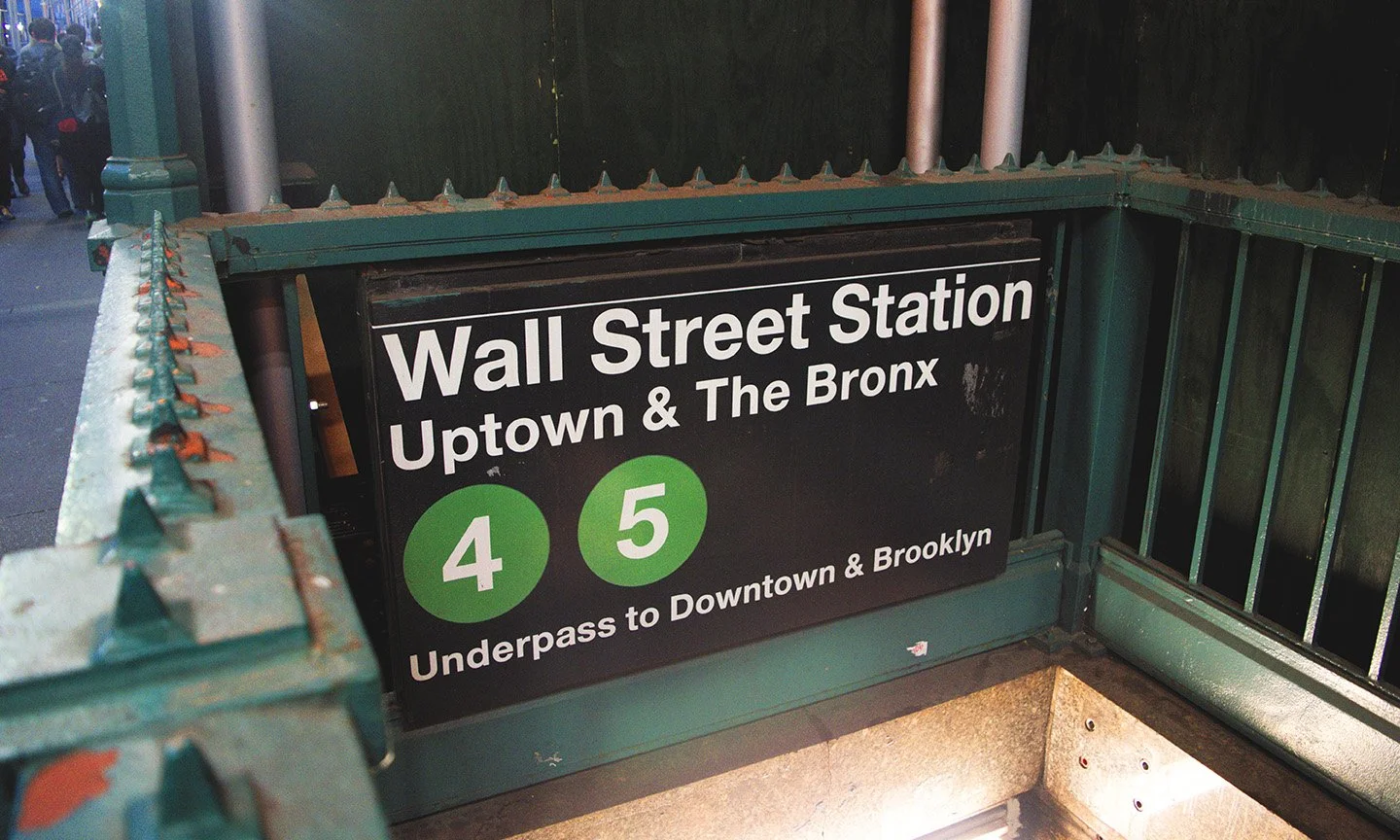
Wall Street Station entrance sign for the 4, 5 headed Uptown & The Bronx. CC0 rawpixel.com/
7. Let Google Maps Be Your Transit Co-Pilot
Even seasoned New Yorkers rely on Google Maps when getting around. For visitors, it’s one of the easiest ways to navigate the subway with confidence.
When you enter your destination and choose Public Transit, Google Maps will show you:
Which subway line to take
Where to enter the station, often down to the exact street corner (e.g., NE corner of 42nd St & Broadway)
Which direction to follow, such as “Follow signs for Downtown & Brooklyn” or “Uptown & Queens”
The last stop on the line so you know you’re headed the right way
How many stops you’ll ride and your final stop
Estimated travel time
Using these details makes navigating Manhattan’s subway system far less intimidating—and lets you focus on enjoying the city instead of worrying about getting lost. And when in doubt, ask a fellow rider if you’re on the right platform for your desired train or destination.

Two women looking at a smartphone on the streets of lower Manhattan. Photo by Cultura Creative https://stock.adobe.com/
In Short
Manhattan may look overwhelming at first, but its grid, clear directional language, and well-marked transit system make it one of the easiest cities to navigate once you know the basics. Understand uptown vs. downtown, streets vs. avenues, how Broadway bends the rules and don’t be afraid to lean on tools like Google Maps. With a little confidence, the city opens up fast.