NYC Travel Costs in 2026: What You Should Budget for Food, Transit, and Attractions
Visitors often know that New York City is expensive, but not what they will actually pay for everyday travel costs. The answer depends on your travel style and choices. Below is a clear breakdown of real world prices in 2026 based on current data and verified sources.

An older man paying on a POS device held by a server in black vest and bow tie in a comfortable lounge area . Photo by DC Studio stock.adobe.com
Daily Cost Expectations
Here is a sample budget for typical visitor spending including hotels, food, transportation, and entertainment:
Budget: ~$250 USD per day including a lower price hotel or hostel
Mid Range: ~$400 USD per day including a mid range hotel
Luxury: $700 USD per day or more with high end hotels and fine dining
A major part of cost for visitors is lodging, which varies widely by location and season. Budget hotels can be roughly $80 to $150 per night while mid range hotels are often $150 to $300 per night and luxury hotels start around $300 and go much higher depending on location. Rooms in Manhattan often cost significantly more than outer boroughs.

A mother and adult daughter sitting on the floor of their living room paying for a trip on their phone with a credit card. Suitcases open in the foreground. Photo by PR Image Factory stock.adobe.com
Food and Drinks
Food costs in New York City vary depending on where you go.
Breakfast at a cafe or diner typically costs about $10 to $20.
Lunch in a casual restaurant or food truck is usually $15 to $30.
Dinner at a mid level restaurant is often $30 to $60.
Coffee at many cafes is around $5 to $7.
Eating local favorites like pizza by the slice or street food can significantly reduce costs compared to sit down restaurants.

Group of five people cheersing mugs of beer over a pizza in an urban pizzaria. Photo by Marino Bocelli . stock.adobe.com
Transit and Getting Around
Subways and Buses
New York City’s public transit is one of the most affordable parts of a trip. MetroCards have been phased out and replaced by OMNY, a contactless payment system where you tap with a smartphone, credit card or OMNY card.
A single ride on the subway or local bus costs $3.00.
Express bus rides cost around $7.25.
Weekly fare capping now gives you unlimited rides once you reach the equivalent of 12 paid trips in a week, capping total weekly spending at $35.00 for local bus and subway.
With this fare system, if you ride the subway or bus frequently in a week, your effective cost per ride can drop after the weekly cap is met.
OMNY has fully replaced the MetroCard starting in 2026. MetroCards are no longer sold and all riders are transitioning to OMNY for payments.
Taxis and Ride Shares
Taxis and ride-share services are widely available throughout Manhattan, but they are significantly more expensive than public transit. For a typical 15-minute ride within Manhattan, a yellow taxi usually costs around $15 to $20 before tip, depending on distance, traffic, and applicable surcharges.
Ride-share services like Uber and Lyft tend to be slightly higher for the same trip, generally $18 to $25, with prices fluctuating based on demand, time of day, and traffic conditions. During peak hours, bad weather, or major events, ride-share prices can increase noticeably due to surge pricing.
While taxis and ride shares offer convenience, especially late at night or with luggage, they can quickly add up compared to the flat, capped pricing of New York City’s public transit system.
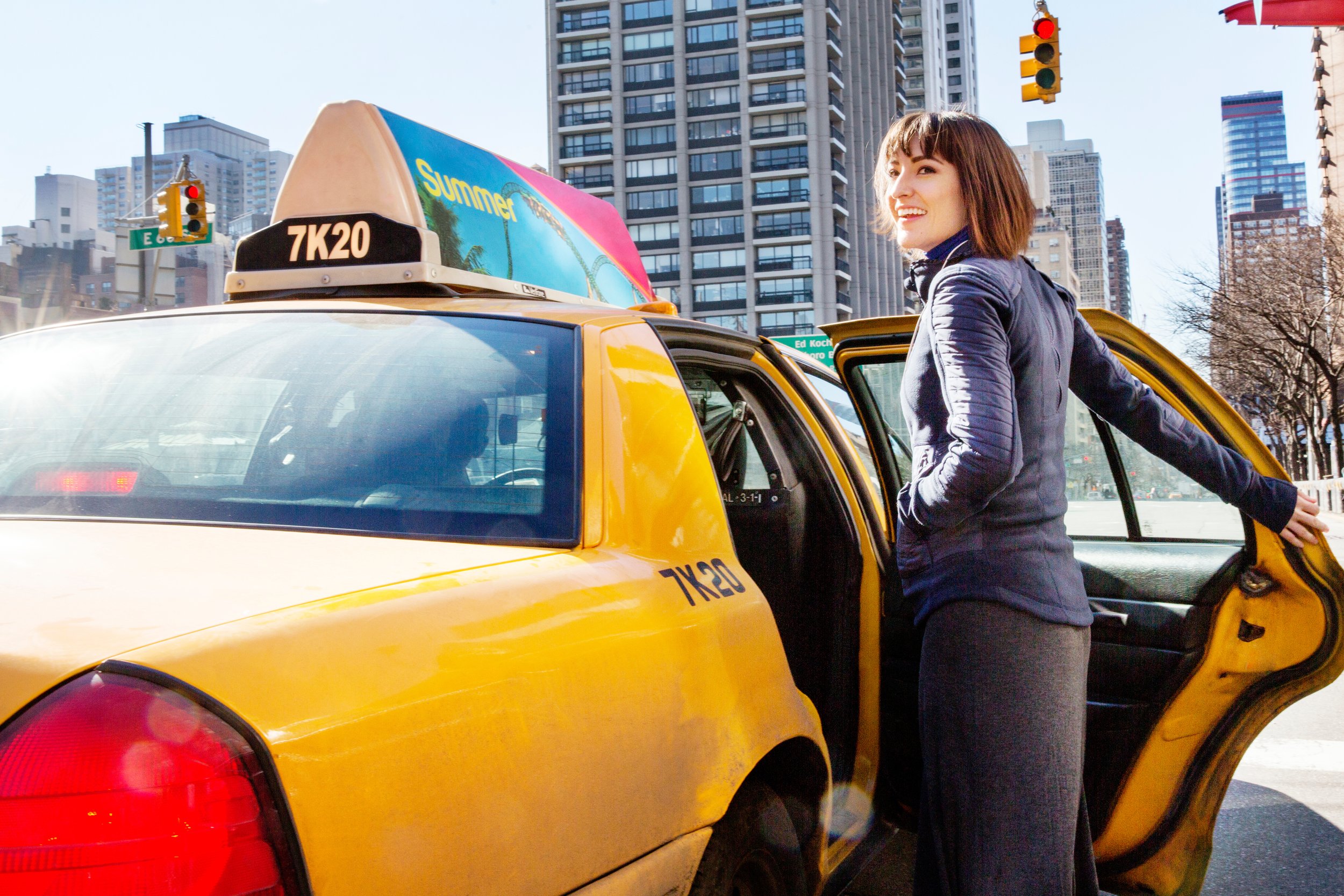
Woman getting into a yellow cab taxi in New York City. Photo by Cavan for Adobe. stock.adobe.com
Attractions and Entertainment
Here are typical costs for popular experiences:
Broadway show ticket: $89 USD to $250 USD or more.
Empire State Building observation deck: Around $40 to $80 USD depending on timing.
Museum admissions: Many museums like The Metropolitan Museum of Art suggest a donation but admission may be around $25 to $30 USD for special exhibits.
Some museums offer free or pay what you wish times or days. Using discount services like TKTS Broadway booths or combination passes can also lower costs.

Coin operated scenic viewer in the foreground, view of Manhattan’s skyline and the Empire State Building in the background. Photo by adrian_ilie825 . stock.adobe.com
Tipping Culture
Tipping is standard in the United States and adds to your effective spending:
Restaurants: 15 to 20 percent of the bill is customary.
Bars: $1 to $2 per drink is typical.
Taxis or rideshares: 15 to 20 percent of the fare.
Hotel staff: $1 to $5 per bag for bellhop or housekeeping.
Allowing for tipping will increase your total cost beyond base prices.
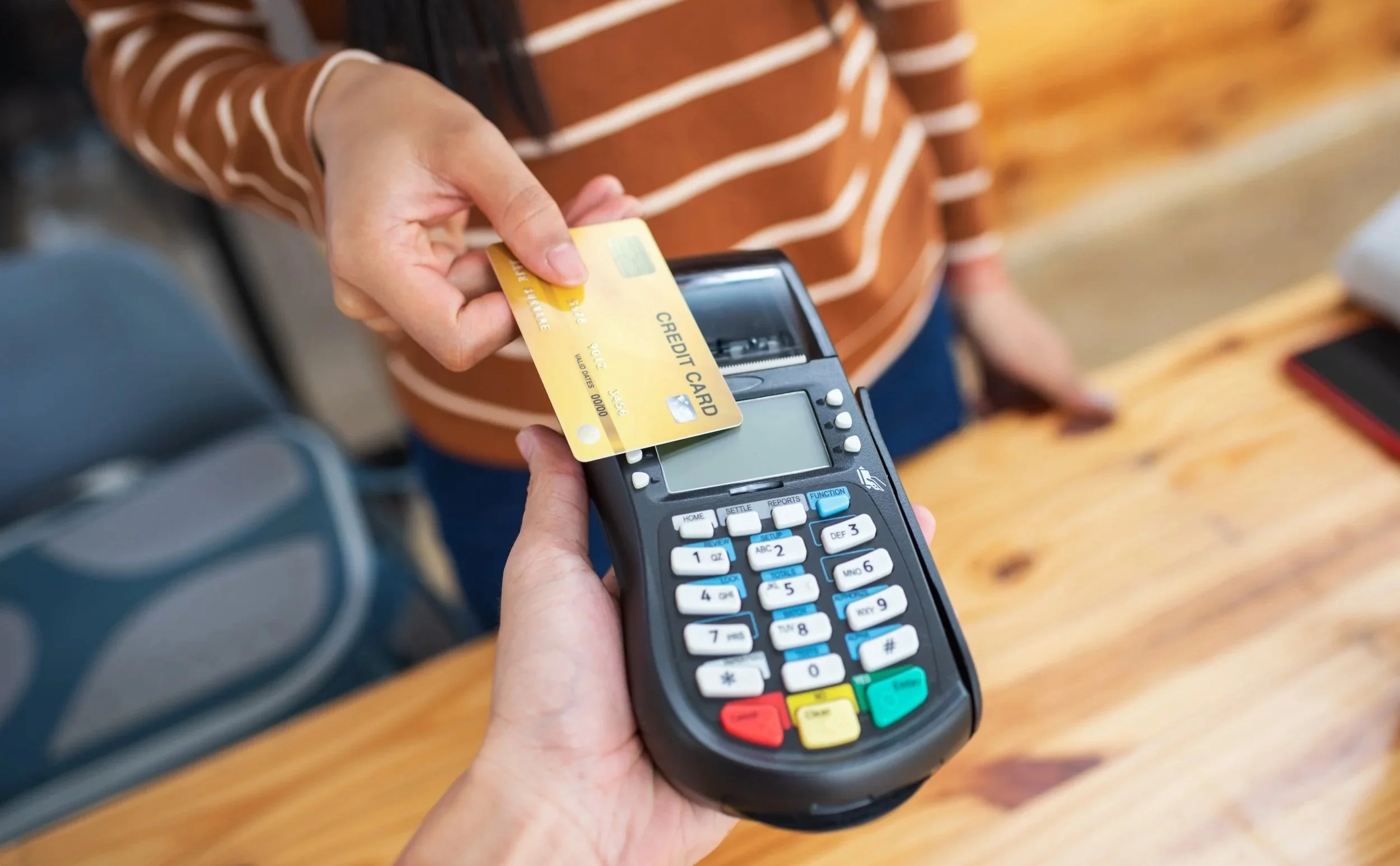
Close up of a woman’s hand holding a credit card over a POS device. Photo by Phushutter. . stock.adobe.com
So, Is NYC Expensive?
Yes, New York City is relatively expensive compared to many other destinations. Hotels, dining and entertainment typically cost more here than in many other U.S. cities. However many aspects of visiting can be affordable with smart choices such as using public transit, choosing budget dining options and seeking free or discounted programs and attractions. Thoughtful planning and budgeting make it possible to enjoy New York without overwhelming costs.